 08045816118


 Send Inquiry
Laryngoscope 1
MOQ : 10 Pieces
Laryngoscope 1 Specification
- Application
- Medical Use
- Product Type
- Laryngoscope 1
- Automation Grade
- Semi Automatic
- Suitable For
- Clinic,Hospital
- Color Code
- Silver
- Material
- Stainless Steel
- Use
- Medical
- Function
- Medical Equipment
- Properties
- High Efficiency
Laryngoscope 1 Trade Information
- Minimum Order Quantity
- 10 Pieces
- Supply Ability
- 100 Pieces Per Week
- Delivery Time
- 7 Days
About Laryngoscope 1
laryngoscope is a medical instrument used to examine the larynx, or voice box, and facilitate intubation during medical procedures. It consists of a handle and a blade that contains a light source, enabling healthcare professionals to visualize the vocal cords and airway. Laryngoscopes are vital tools in anesthesia, emergency medicine, and various respiratory interventions.
Frequently Asked Questions (FAQ):
Q: What is a laryngoscope?
A: A laryngoscope is a medical device used by healthcare professionals to visualize the larynx, vocal cords, and airway during medical procedures. It is essential for intubation and airway management in various medical settings.
Q: How does a laryngoscope work?
A: A laryngoscope works by inserting the blade into the patient's mouth, lifting the tongue and epiglottis to expose the vocal cords. The blade contains a light source, illuminating the area, allowing the healthcare provider to visualize the airway for intubation or examination.
Q: What are the types of laryngoscopes available?
A: There are two main types of laryngoscopes: direct laryngoscopes and video laryngoscopes. Direct laryngoscopes use a traditional blade and handle, while video laryngoscopes have a camera on the blade, projecting the view on a screen.
Q: When is a laryngoscope used?
A: Laryngoscopes are used in various medical scenarios, including endotracheal intubation during surgery, emergency airway management, and diagnostic examination of the larynx and vocal cords.
Durable Stainless Steel Construction
Built entirely from premium stainless steel, the Laryngoscope 1 exhibits superior durability and resistance to corrosion, which promotes extended product life and easy sterilization. The silver color not only adds a professional aesthetic but also assists with instrument identification in high-paced clinical environments.
Designed for Versatility and Precision
Suitable for use in both clinics and hospitals, this medical equipment is engineered to ensure high efficiency during airway examinations and intubations. Its semi-automatic mechanism allows clinicians to maintain precision, control, and patient comfort during critical procedures.
Imported and Supplied Across India
As a trusted importer, supplier, and trader in India, we ensure that all Laryngoscope 1 units meet stringent quality assurance protocols. This guarantees reliable performance in demanding clinical settings and provides healthcare professionals with dependable medical tools.
FAQ's of Laryngoscope 1:
Q: How is the Laryngoscope 1 used in medical procedures?
A: The Laryngoscope 1 is primarily used by healthcare professionals to facilitate the visualization of the larynx and assist with intubation during medical examinations or airway management. Its semi-automatic design enhances control and precision during these procedures.Q: What benefits does the stainless steel construction of the Laryngoscope 1 offer?
A: Stainless steel provides resistance to corrosion and ensures long-lasting durability. This not only increases the lifespan of the instrument but also makes sterilization easier, maintaining hygiene standards in clinical and hospital settings.Q: Where can the Laryngoscope 1 be used?
A: The Laryngoscope 1 is ideally suited for clinics and hospitals. Its robust design allows it to be effectively used in various medical environments that require efficient airway management and examination equipment.Q: When should the Laryngoscope 1 be utilized during patient care?
A: It should be used during procedures requiring a clear view of the larynx, such as intubations or airway assessments, particularly when swift and reliable access is needed in a clinic or hospital environment.Q: What is the process for maintaining and sterilizing this laryngoscope?
A: After each use, the stainless steel laryngoscope should be thoroughly cleaned and sterilized following your facility's protocols. Its material allows for both manual and automated sterilization methods, helping ensure patient safety.Q: How does the semi-automatic function improve usability for medical staff?
A: The semi-automatic mechanism simplifies device handling, offering enhanced precision and speed. This is particularly helpful in urgent medical situations, providing practitioners reliable support during airway procedures.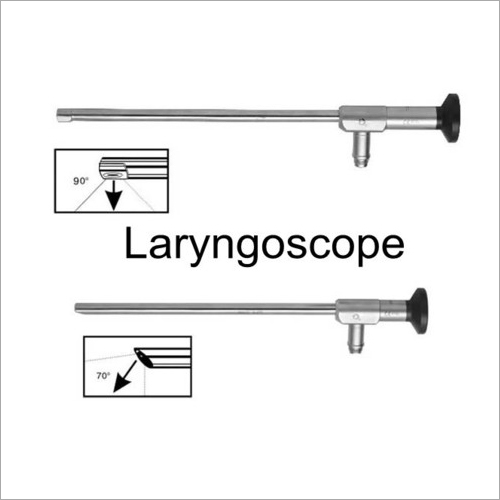
Tell us about your requirement

Price:
Quantity
Select Unit
- 50
- 100
- 200
- 250
- 500
- 1000+
Additional detail
Mobile number
Email

More Products in Endoscope Category
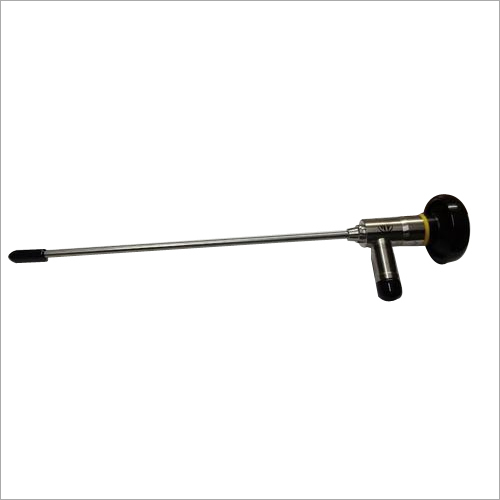
Medical Sinoscopy
Price 25000.0 INR / Piece
Minimum Order Quantity : 1 Piece
Function : Hospital Use
Use : Medical Use
Material : Metal,Polymer & Glass ( for Lense)
Power Source : Electric, Manual
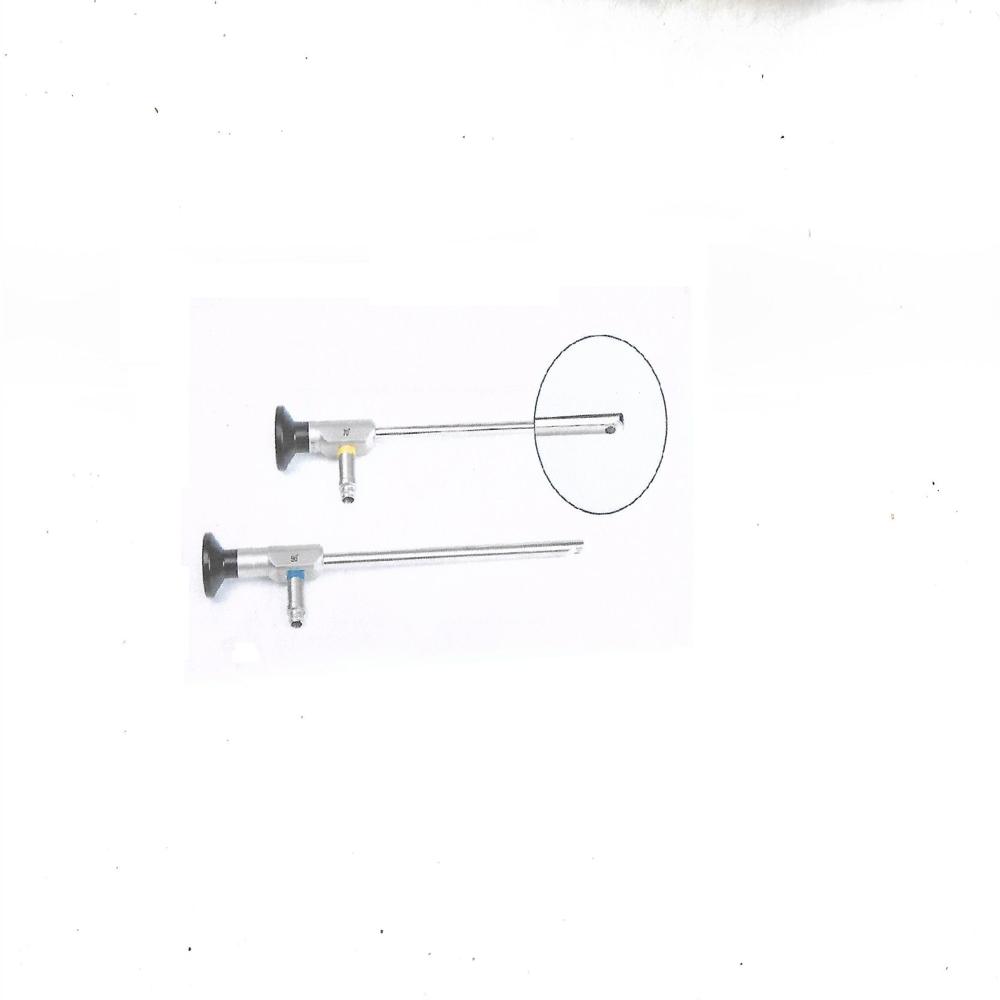
LARYNGOSCOPE ( 70 degree & 90 degree)
Price 45000.0 INR / Piece
Minimum Order Quantity : 1 Piece
Function : Hospital Use
Use : Medical Use
Material : Stainless Steel, Metal, Rubber, Plastic
Power Source : Electric, Manual
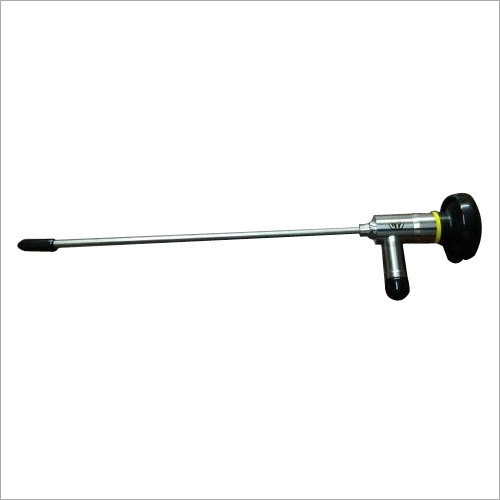
Nasal Endoscope
Price 22000 INR
Minimum Order Quantity : 1 Piece
Function : Hospital Use
Use : Medical Use
Material : Stainless Steel, Metal, Rubber, Plastic
Power Source : Electric, Manual
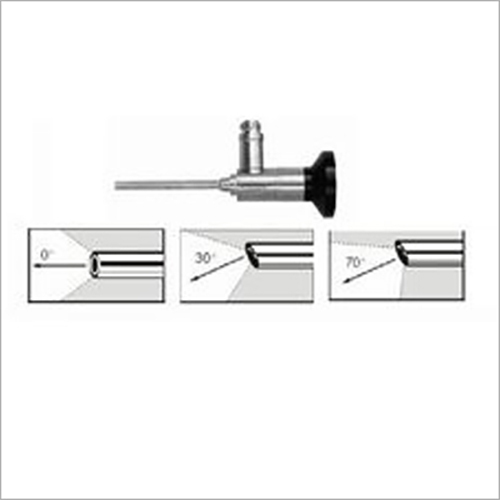
Oto Endoscope
Function : Provides an angled view for detailed examination
Use : Ear Nose and Throat (ENT) endoscopic assessments
Material : Stainless Steel


- ALLIED MEDITEK
GST : 19ACBFA0772E1ZP - 31/A, Ashutosh Shastri Road, (P/55A), C.I.T. Road,Kolkata - 700010, West Bengal, India
- Mr Asit Chaturvedi (Partner)
- Mobile :08045816118
- Send Inquiry
- Phone :08045816118
 Send Inquiry
 |
ALLIED MEDITEK
All Rights Reserved.(Terms of Use) Developed and Managed by Infocom Network Private Limited. |
